Reverse osmosis for hotels, restaurants and industry
Purified water for kitchens, bars, ice machines and processes, designed for the hard water of the Yucatán Peninsula. We test your water before recommending the equipment.
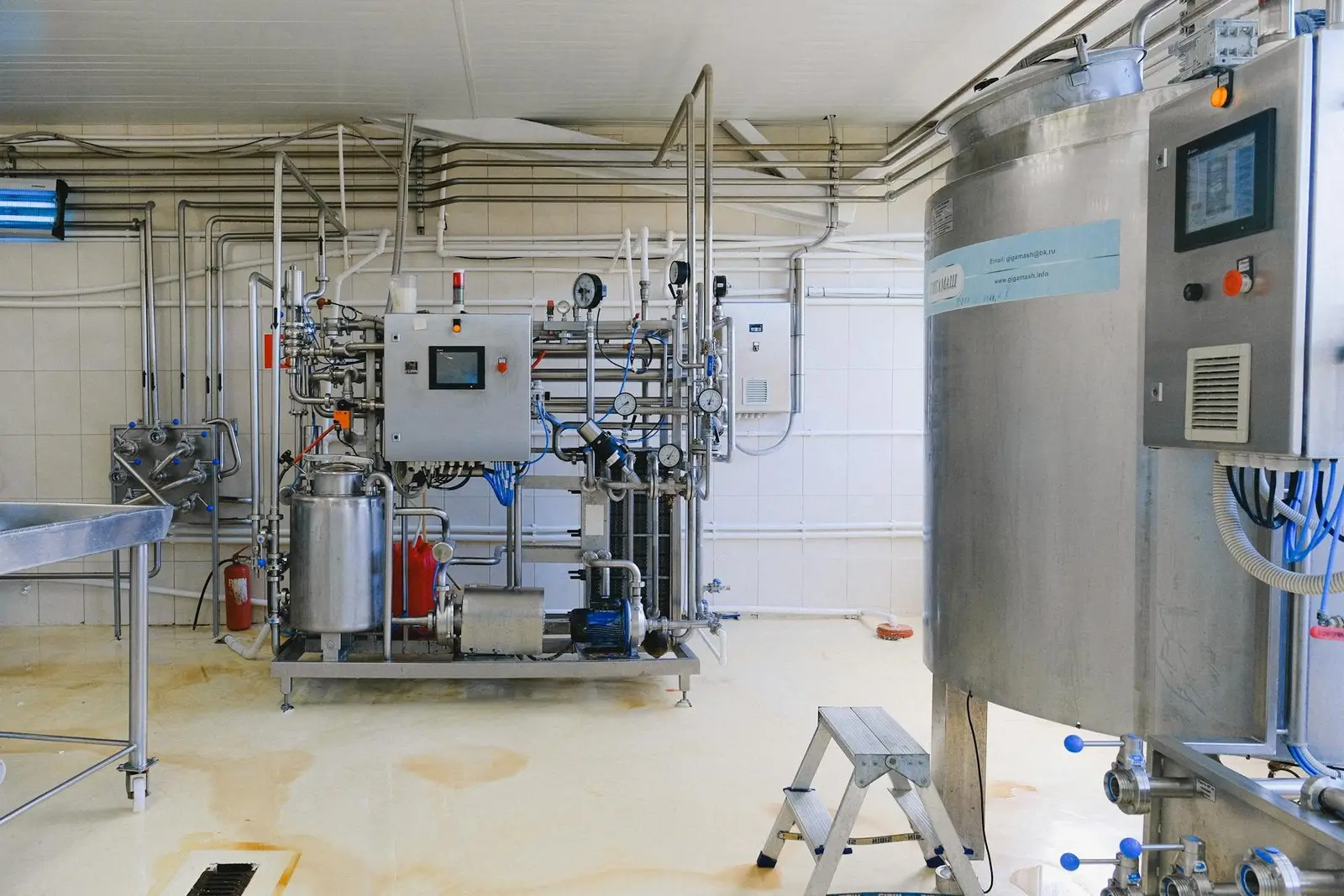
- Specialized chemical programs
- Corrosion protection
- Periodic monitoring
- Emergency service with a service contract
Clear terms from the first quote
- Payment
- 70% deposit · 30% on delivery
- Equipment delivery
- 4 to 5 weeks after the deposit; immediate for equipment in stock
- Installation
- 2 to 4 business days
- Warranty
- 12 months against manufacturing defects
Terms from our equipment quotes. Each proposal confirms them in writing.
Pretreatment protects the membranes
With the hard water of the peninsula, reverse osmosis (RO) needs filtration and softening upstream. Without them, the membranes scale up within months.
Water softeners and filtration →Where it is used in a hotel
- Ice
Ice machines
Clear ice and no scale on the evaporator.
- Food
Kitchens and bars
Water for food preparation, coffee and beverages.
- Drinking
Purified water
Water jugs or dispensers for guests and staff.
- Process
Processes and industry
Boilers, laboratories and makeup water.
What often goes unmentioned
RO water can corrode your piping
It leaves the membranes with very few minerals and low alkalinity, so it “looks for” metal: it dissolves iron and copper from piping, valves and water heaters. The typical sign is yellow water at taps and fixtures.
We stabilize it with pH and alkalinity adjustment and a corrosion inhibitor, and check it with a monthly test of basic parameters and a full one every quarter.
- Yellowish or stained water
- Corrosion leaks in copper piping
- Failures in water heaters and heat exchangers
- Low pH in the analysis of the product water
Benefits
Why stabilize RO water?
Water produced by reverse osmosis has very low mineral content, which makes it chemically aggressive toward piping and equipment. Without proper treatment, it can cause corrosion, yellow water and costly failures.
pH and hardness adjustment
Chemical stabilization of the RO water to prevent corrosion and keep it suitable for service water use.
Protection of the installation
Corrosion inhibitors that protect piping, valves, boilers and hydraulic systems.
No more yellow water
Chemical control that prevents oxidation and the dissolved metals that discolor the water.
Stable system operation
Chemical dosing programs that keep the water balanced and extend the service life of the installation.
Method
Chemical conditioning of reverse osmosis water
Stabilization follows the same steps in every system and is fine-tuned with periodic testing to protect your installation.
- 01
RO water assessment
Physicochemical analysis of the permeate to evaluate the pH, alkalinity, hardness and corrosivity of the water the RO produces.
- 02
Alkalinity and hardness adjustment
Controlled chemical dosing to stabilize the water so it does not attack piping and equipment.
- 03
pH control
Correction of the permeate pH to keep the water chemistry suitable for service water use.
- 04
Corrosion protection
Corrosion inhibitors that protect piping, heat exchangers and hydraulic systems.
- 05
Monitoring and optimization
Periodic testing to keep the water stable and prevent problems such as yellow water or metal loss.
Parameters the program controls
Reverse osmosis permeate is chemically aggressive; these are the parameters we stabilize.
| Parameter | What the program does | Risk if not corrected |
|---|---|---|
| pH | Correction of the permeate pH for service water use. | Aggressive water that attacks piping and equipment. |
| Alkalinity | Controlled adjustment to stabilize the water chemically. | High corrosivity in the water lines. |
| Hardness | Restoring the mineral balance of the permeate. | Accelerated metal loss in the system. |
| Corrosivity | Inhibitors that protect piping, heat exchangers and hydraulic systems. | Yellow water, leaks and shorter service life. |
Sectors we serve
Applications
Where we stabilize RO water
Hotels and resorts
Stabilization of RO water for service water use and protection of the plumbing.
- pH and alkalinity control
- Prevention of yellow water
- Protection of piping and equipment
Hot water systems
Chemical conditioning to prevent corrosion and wear in hot water lines.
- Protection of boilers and heat exchangers
- Metal corrosion control
- Longer system life
Chilled water systems
Water stabilization to prevent corrosion in chillers and closed loops.
- Protection of piping and valves
- Chemical control of the water
- Stable system operation
Service water in buildings
Chemical treatment of the permeate to keep it chemically stable and protect the installation.
- pH and hardness adjustment
- Corrosion prevention
- Clear, stable water
Diagnosis
Signs that your RO water needs stabilization
Yellow water
Yellow or reddish staining on faucets and fixtures, caused by iron and copper dissolved from the piping by corrosive water.
Frequent leaks
Pinholes and leaks in copper or galvanized piping from the progressive corrosion of untreated demineralized water.
Equipment wear
Premature deterioration of boilers, heat exchangers and valves from constant contact with low-pH water and no chemical protection.
Specialized service
What our reverse osmosis stabilization service includes
- Chemical assessment of the reverse osmosis permeate
- Physicochemical testing of pH, alkalinity and corrosivity
- pH and alkalinity adjustment to stabilize the water
- Corrosion inhibitor dosing
- Prevention of yellow water in the building
- Protection of piping, valves and hydraulic equipment
- Chemical programs tailored to the system
- Periodic water quality monitoring
- System performance optimization
- Specialized technical support
Request a quote
Every reverse osmosis system needs chemical stabilization tailored to its water and its hydraulic system.
To evaluate your system, tell us:
- The type of reverse osmosis system
- What the permeate is used for (general services, hot water, etc.)
- Current problems (corrosion, yellow water, low pH)
- A physicochemical analysis of the water, if you have one
Local focus
Reverse osmosis in Cancún and the Riviera Maya
On the Quintana Roo coast, reverse osmosis is used to desalinate brackish well water and to supply purified water to guests. Its performance depends on the water going in and the water coming out.
Brackish well water
Coastal wells in Cancún can yield brackish water with high total dissolved solids. We characterize the feed water with laboratory testing before defining the program.
Membrane pretreatment
With measured raw-water hardness of 360–492 mg/L as CaCO₃ in the Cancún Hotel Zone, membranes scale up without pretreatment: multimedia filtration, activated carbon to remove chlorine and a dosed antiscalant.
Stabilization of the product water
RO water comes out corrosive. We adjust pH, alkalinity and hardness to protect piping, water heaters and faucets.
Chemical treatment for reverse osmosis: frequently asked questions
Stabilization and chemical conditioning of RO water
Do you service reverse osmosis systems in Cancún and the Riviera Maya?
Yes. We serve hotels, condominiums and industry in Cancún, Puerto Morelos, Playa del Carmen and along the Riviera Maya as far south as Tulum, with a chemical program for reverse osmosis: pretreatment and antiscalant to protect the membranes, and stabilization of the product water to prevent corrosion in the distribution network.
Why can water turn yellow after reverse osmosis?
It happens when the RO water is corrosive and starts dissolving metals from the piping or equipment. Chemical stabilization and pH control prevent the oxidation and the yellow color. Dissolved iron and copper are the main causes of the discoloration.
Does every RO system need the same chemical treatment?
No. Each system differs in its feed water, membrane type, use of the permeate and plumbing. That is why we start with an assessment and design a chemical program for the specific installation.
How often should stabilized RO water be monitored?
Periodic testing of pH, alkalinity, conductivity and corrosion control is recommended. The typical frequency is monthly for basic parameters and quarterly for a full evaluation. This keeps the water chemically balanced and avoids problems in the installation.
Why can reverse osmosis water corrode the installation?
RO product water usually has very low mineral content and alkalinity, which makes it chemically aggressive. If it is not stabilized, it can corrode piping, valves, boilers and heat exchangers: lacking dissolved minerals, the water seeks equilibrium by picking up metal from the surfaces it touches.
What chemical treatment is used to stabilize RO water?
Chemical conditioning programs that adjust pH, alkalinity and hardness, plus corrosion inhibitors that protect the hydraulic installation and keep the water stable for service water use. The products include pH adjusters, oxygen scavengers and film-forming formulations.
How do I know if the water from my RO system needs stabilization?
A physicochemical analysis shows whether the water has low pH, low alkalinity or high corrosivity, which indicate it can cause metal loss or other problems. Visual signs such as yellow water, reddish stains on fixtures or frequent leaks also suggest it needs stabilization.
What problems can appear if RO water is not stabilized?
The most common are pipe corrosion, wear in valves and pumps, yellow water at taps and fixtures, hot water system failures and shorter equipment life. In severe cases, corrosion leaks can cause structural damage and costly emergency repairs.
Does the chemical treatment affect the quality of the service water?
No. The treatment stabilizes the water so it does not damage the hydraulic installation, preventing corrosion, discoloration and operating problems. The products are selected to be compatible with the use of the water in the building.
Already have an RO system?
We check the membranes, the pretreatment and the product water, even if we did not install it.