Product line
Water Treatment Chemicals
Formulations that protect cooling towers, boilers and pools against corrosion, scale and Legionella in hotels, condominiums and industry, with delivery in Cancún and the Riviera Maya.
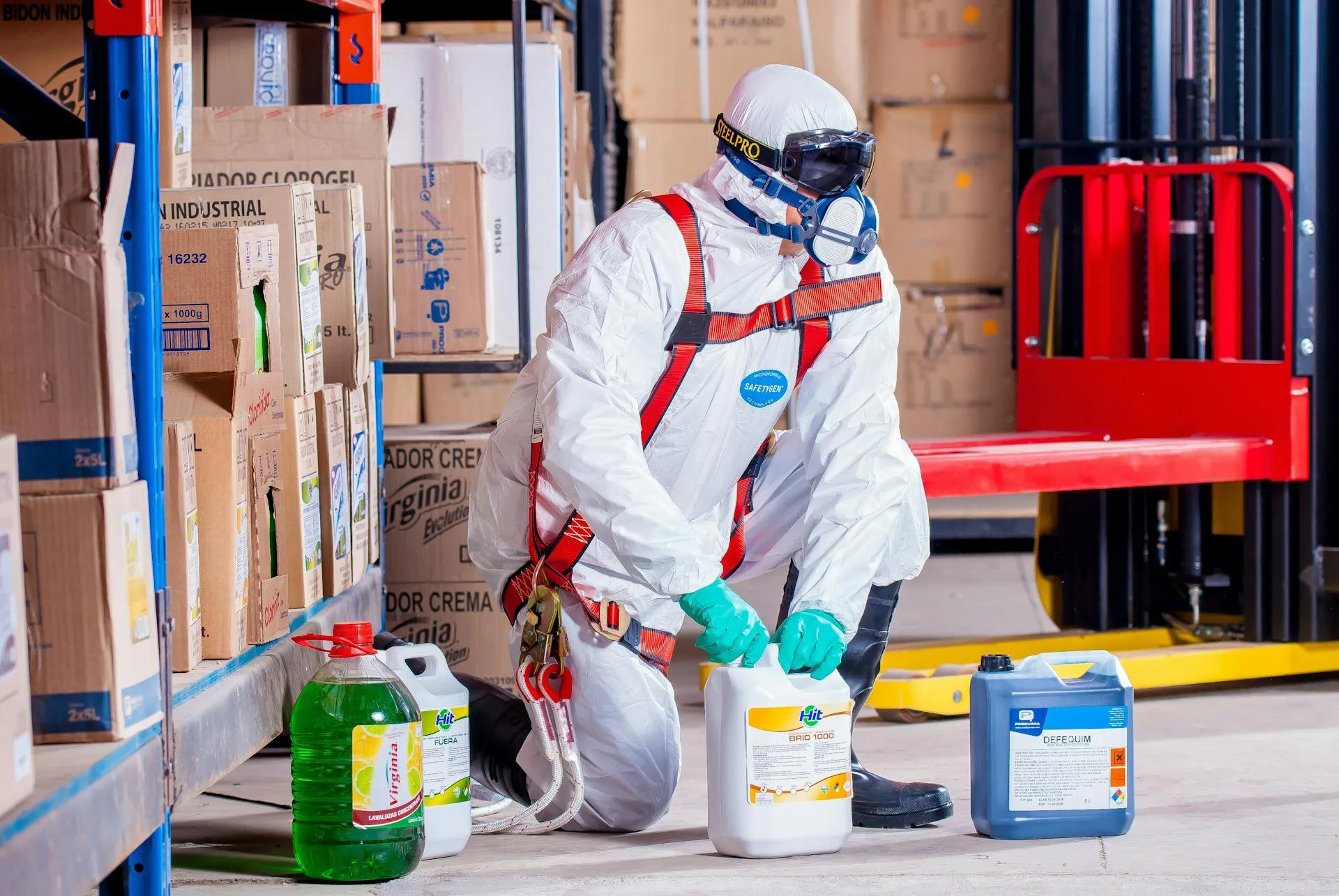
- A datasheet for every product
- Food grade available
- Delivery in Cancún and the Riviera Maya
- Emergency service with a service contract
Product catalog
Our full line of water treatment chemicals
Formulations for every water treatment need in hotels, industry and commercial buildings.
Corrosion inhibitors
Phosphonate- and polymer-based formulations that protect piping, valves and metal equipment.
Scale inhibitors
Dispersants and sequestrants that prevent calcium carbonate and silica deposits.
Biocides and algaecides
Oxidizing and non-oxidizing biocides to control Legionella, biofilm and microbiological growth.
Oxygen scavengers
Catalyzed sulfite and DEHA to protect boilers against pitting from dissolved oxygen.
pH and alkalinity adjusters
Acid and alkaline regulators, and neutralizing amines for condensate.
Coagulants and flocculants
PAC, aluminum sulfate (alum) and polyacrylamides for clarification and effluent treatment.
Not sure which chemical you need?
We assess your system and recommend the right chemical treatment
Technical datasheets
Product datasheets
Technical documentation for our line of water treatment chemicals: specifications, composition, NFPA rating and safety measures. The full datasheets are in Spanish.
Boilers
Boiler corrosion and scale inhibitor
White granular powder based on sodium sulfite and sodium polyphosphate, protecting boilers against corrosion and scale.
Boiler scale inhibitor and sludge conditioner
Slightly opalescent liquid formulated to inhibit scale and foam and condition sludge in boilers.
Steam line corrosion inhibitor
Colorless liquid based on a blend of amines to prevent corrosion in steam and condensate lines.
Hot water corrosion inhibitor
Food-grade corrosion inhibitor for water networks and hot water systems: protects piping, water heaters and tanks and prevents yellow water.
Scale remover for boilers and cooling towers
Hydrochloric acid–based scale remover with an iron and copper corrosion inhibitor: removes calcium and magnesium carbonate deposits from boilers, heat exchangers and cooling systems.
Cooling towers
Multifunction cooling tower treatment
Pale yellow multifunction liquid that inhibits scale and foam, conditions sludge and prevents corrosion in cooling systems.
Cooling tower water treatment
Yellow liquid for cooling tower water treatment: prevents scale and corrosion and regulates pH.
Cooling tower corrosion inhibitor
Yellow liquid based on sodium nitrite, azole salts and borax to inhibit corrosion in cooling systems.
Cooling tower biocide
Clear, colorless liquid based on quaternary ammonium chloride: a biocide for microbiological control in cooling towers.
Sectors we serve
Applications by sector
Hotels
- Cooling towers and chillers
- Steam and hot water boilers
- Drinking water systems and pools
Industry
- Process and manufacturing plants
- Closed-loop cooling systems
- Industrial effluent treatment
Commercial
- Office buildings
- Hospitals and health centers
- Shopping centers and restaurants
Chemical treatment guides for towers and boilers
Frequently asked questions
About water treatment chemicals
How often should chemicals be applied in a cooling tower?
Dosing is continuous, with metering pumps. We recommend weekly monitoring of the parameters and a monthly technical service visit to adjust the doses for season and occupancy.
Are the products safe for the environment?
We favor lower-impact formulations and fast-degrading biocides, which matters especially in the Riviera Maya because the karst aquifer is so vulnerable.
How much can I save with a chemical treatment program?
It depends on the system and how it runs today. In cooling towers, the savings come mainly from raising the cycles of concentration, which cuts makeup water and blowdown; in boilers, from avoiding the scale that drives up fuel use. The figure for your installation is calculated in the assessment, from your actual consumption.
Do you offer testing along with the products?
Yes. We include regular testing through EMA-accredited laboratories and monthly reports with trends and recommended adjustments. The initial water analysis is essential to design the right program.
What if my boiler has gone without treatment for a while?
First, a chemical cleaning removes the scale, followed by passivation of the surfaces. Then the preventive maintenance program begins.
What does the NFPA diamond on the chemical datasheets mean?
The NFPA 704 diamond is a visual identification system with four colors: blue (health), red (flammability), yellow (instability) and white (special hazards). Each section is rated from 0 to 4, where 0 is minimal hazard and 4 is severe hazard. For example, our BM-16 is rated 1-0-0: slight health hazard, not flammable and not reactive.
What personal protective equipment is needed to handle water treatment chemicals?
At a minimum: neoprene or PVC gloves, safety glasses with side shields and long-sleeved work clothing. For concentrated products such as acids or sodium hypochlorite, add a full face shield and a chemical-resistant apron. Each datasheet specifies the PPE required according to the product’s NFPA rating.
How should sodium hypochlorite be stored?
Sodium hypochlorite must be stored in a cool, dark place, since sunlight and heat speed up its degradation. Keep it in opaque HDPE containers (never metal), away from acids to avoid releasing chlorine gas. Its shelf life is 30 to 90 days depending on concentration and storage conditions.
What is the minimum order for sodium hypochlorite?
For pickup, the minimum order is 50 L. We deliver to your door in Cancún; in Playa del Carmen and Tulum, the minimum order is 150 L. To Mérida, Villahermosa and Campeche we ship for pickup at the carrier’s branch. Price and delivery time are confirmed in the quote.
What should I do if water treatment chemicals are spilled?
First, evacuate and ventilate the area. For liquid spills, contain them with inert absorbent material (vermiculite or sand) and keep them out of the drain. For powders, sweep without raising dust and collect them in a labeled container. Never mix spilled products. Check the product’s safety data sheet (SDS) for detailed instructions.
What is a chemical descaling of a boiler, and when is it needed?
Descaling is a cleaning process with acid or alkaline solutions that dissolve the scale, rust and sludge built up on the boiler’s internal surfaces. It is needed when thermal efficiency drops, fuel use rises or a visual inspection shows significant deposits. After the cleaning, a passivating agent is applied to protect the metal surfaces.
Need chemicals for your system?
Request a quote with the right products for your application